Why smoke vent size alone doesn’t tell the full performance story
:format:(webp)/f/79904/3000x4500/6474044145/sk.jpg)
:format:(webp)/f/79904/2000x900/a349e8d323/20230523_100758.jpg)
If two smoke vents are the same size, do they always perform the same?
On a drawing, they might look identical. They may have the same overall dimensions, the same opening size, and appear to provide the same level of ventilation. But in smoke ventilation, physical size is only part of the story.
What really matters is how effectively the vent performs when smoke and air move through it.
That is where understanding the difference between geometric area, free area and aerodynamic free area becomes important.
Geometric area: the total opening size
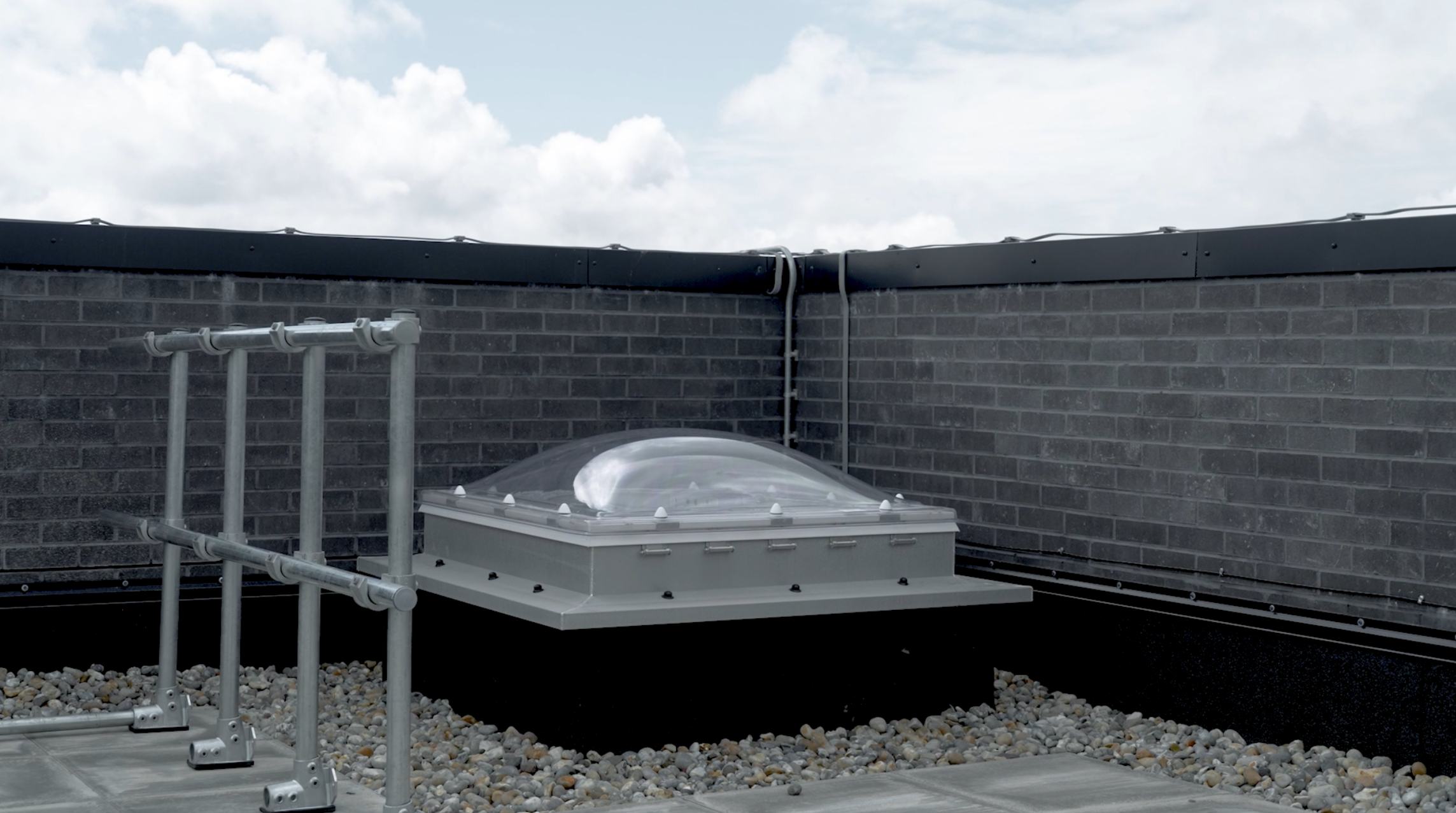
Geometric area is the physical size of the opening. It is usually the easiest figure to understand because it relates to the overall dimensions of the vent or opening.
For example, if a vent appears as a certain size on a drawing, that may represent the geometric area.
But geometric area does not always tell you how much usable airflow the vent will provide. It does not fully account for components within the vent, blade positions, obstructions, frames or how air actually behaves as it passes through the unit.
This is why relying on size alone can be misleading.
Free area: the open space available
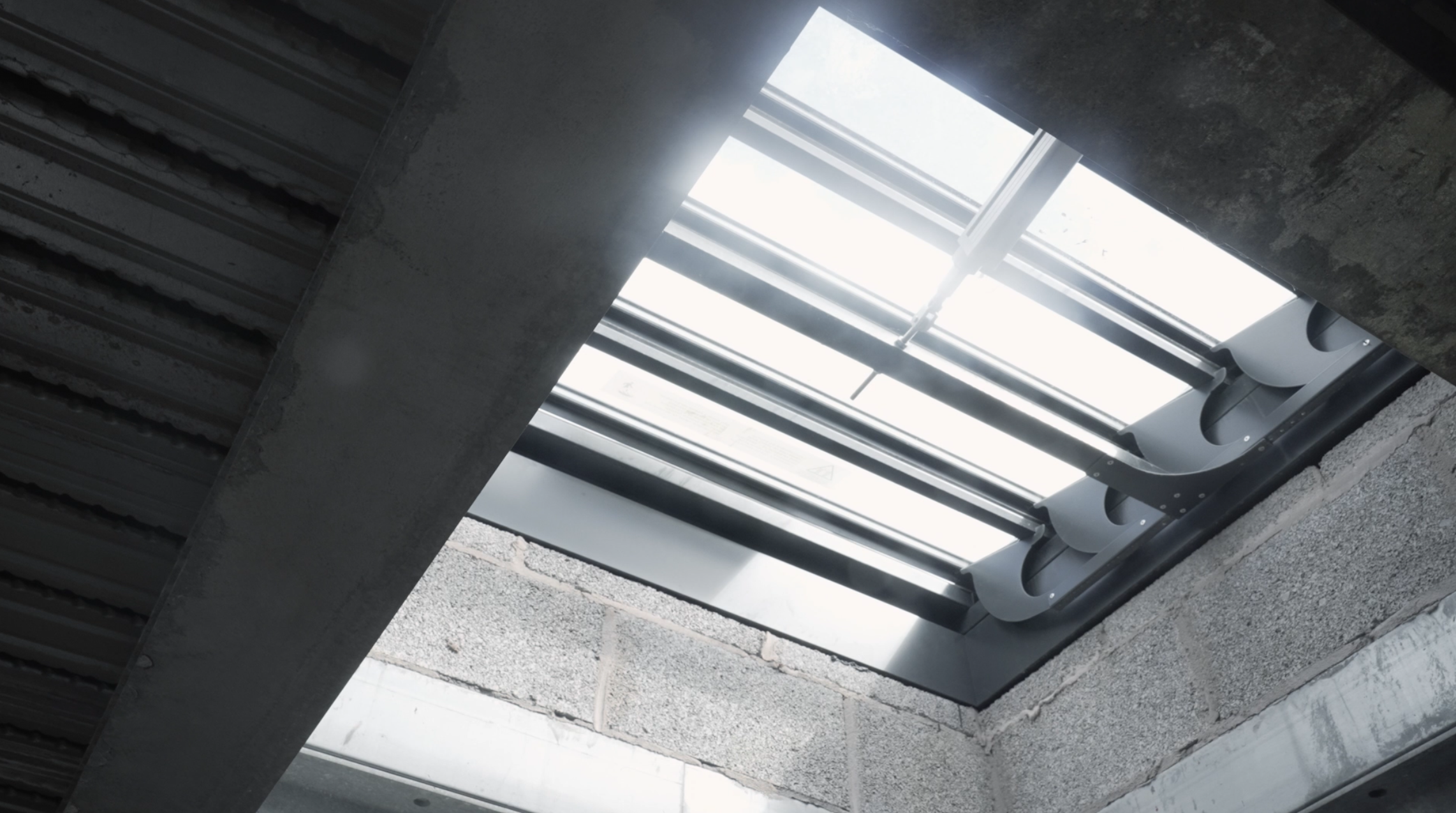
Free area is the amount of space that is actually open once the internal parts of the vent are taken into account.
This may include allowances for:
louvre blades
frames
actuators
internal restrictions
other components that reduce the open path for air
Free area gives a more realistic indication than geometric area, but it is still generally a physical measurement.
It tells you how much open space is available, but not necessarily how efficiently air will move through that space.
Aerodynamic free area: how the vent actually performs
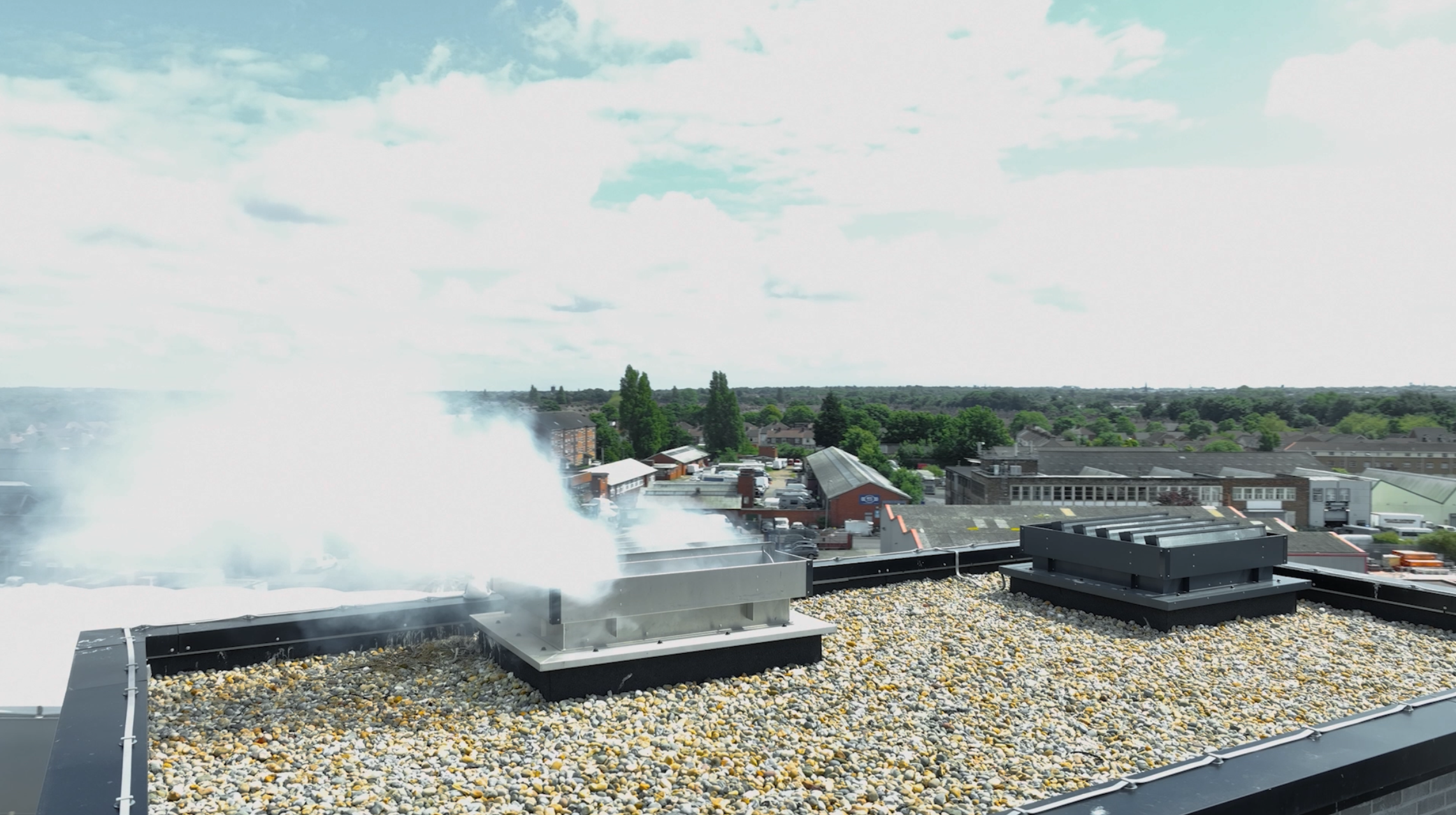
Aerodynamic free area, often shown as Aa, goes a step further.
It is based on tested performance and reflects how air actually moves through the vent under defined conditions. Approved Document B recognises that the free area of a smoke ventilator can be measured either by declared aerodynamic free area in accordance with BS EN 12101-2, or by geometric free area measured at the minimum unobstructed cross-sectional area.
This matters because two vents may have:
the same geometric area
similar free area
different aerodynamic performance
In practice, that means two products that look similar on paper may not deliver the same smoke ventilation performance.

Why this matters for specifiers and consultants
For consultants and specifiers, the key point is clarity.
Smoke ventilation design should not be based on assumptions around product size alone. Where aerodynamic performance is required, the product’s declared performance needs to support the design intent.
This is especially important when reviewing:
product data sheets
technical submissions
performance declarations
compliance documentation
equivalent product substitutions
A product that appears similar dimensionally may not necessarily provide equivalent performance.
Brad Crisp, Commercial & Specification Manager, said:
At Sertus, we often remind project teams that size and performance are not the same thing. Understanding the declared aerodynamic free area helps ensure the specified product aligns with the smoke ventilation strategy.

Why this matters for contractors and installers
For contractors and installers, misunderstanding vent performance can create issues later in the project.
If a product is selected based only on physical size, there may be a gap between what was designed and what is delivered on site. That can lead to:
late-stage queries
redesign
product changes
installation delays
testing and handover challenges
Clear technical data helps reduce ambiguity before the product reaches site.
For installers, the aim is simple: install a product that matches the project requirement and can be supported with the correct documentation.

Why this matters for main contractors
For main contractors, the issue is often programme risk.
Smoke ventilation sits within a wider chain of design, procurement, installation, commissioning and handover. If the performance requirement is misunderstood early on, the problem may only appear when the project is already under pressure.
This can create avoidable challenges around:
technical approvals
subcontractor coordination
compliance evidence
testing
building control queries
practical completion
Understanding the difference between size and tested performance helps reduce these risks.
Orwin White, Sales Manager, said:
The earlier performance requirements are understood, the easier it is to avoid late-stage changes. It gives contractors and project teams more confidence throughout the process.
The key takeaway
When comparing smoke vents, it is not just about how big the opening is.
The key question is:
How effectively does the vent perform?
Geometric area tells you the total opening size.
Free area tells you the open space available.
Aerodynamic free area tells you how the product performs under test conditions.
For smoke ventilation, that distinction matters.
Whether you are specifying, procuring, installing or managing handover, looking beyond size alone can help support clearer decisions and more reliable project outcomes.
About Sertus
Sertus is a UK-based manufacturer of smoke ventilation products, dedicated to safeguarding lives and property through unequivocally compliant, expertly engineered, and reliably manufactured solutions. Driven by our vision to be the UK’s manufacturer of choice for smoke ventilation, we’re setting the standard – with products that combine innovation, performance, and quality. From early-stage design through to post-install support, we partner with contractors, architects, consultants, and developers to deliver smoke ventilation that works – every time.
At Sertus, Make It Simple isn’t just a tagline – it’s our promise. We simplify the complex world of fire safety through intelligent design, clear guidance, and comprehensive support, helping our customers achieve compliant, high-performance buildings with confidence. Learn more at sertus.uk. For media enquiries, contact hello@sertus.uk or call 01483 269999.
:format:(webp)/f/79904/2000x1200/f230a77448/building-safety-act-2.jpeg)
:format:(webp)/f/79904/6000x2535/09e82b6069/sven-mieke-fter0e2bzko-unsplash.jpg)
:format:(webp)/f/79904/2165x1214/f68bf08ab2/screenshot-2025-11-18-at-09-44-10.png)
:format:(webp)/f/79904/934x1040/f7f0080362/mask-group-7.jpg)